 Skip to content
Veiw All Properties
Discover premium properties crafted for modern living, smart investment, and long-term value.



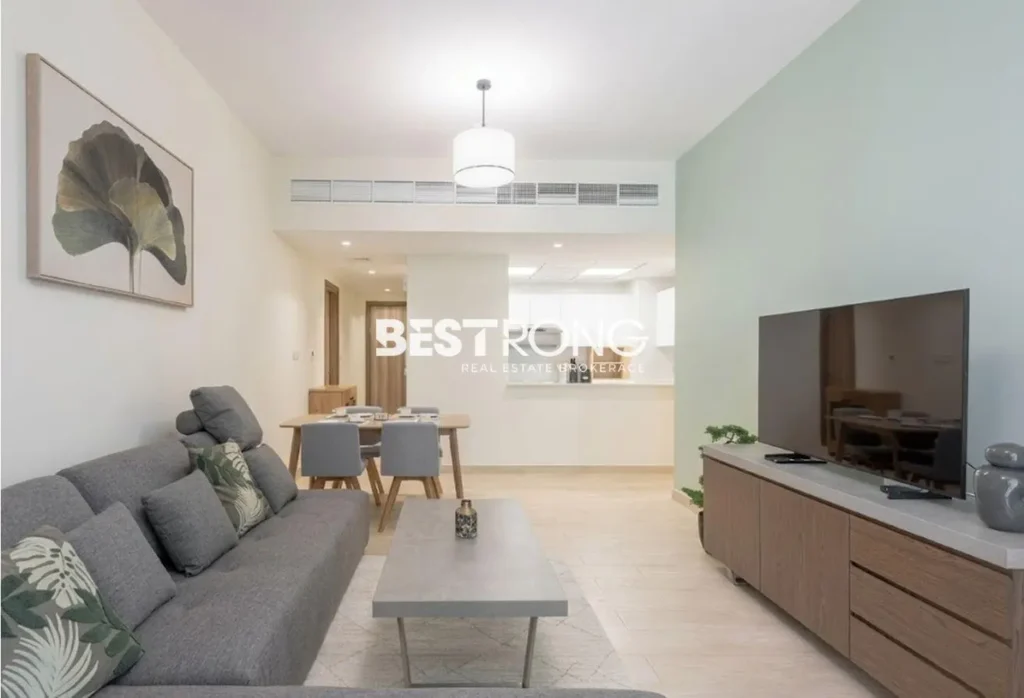

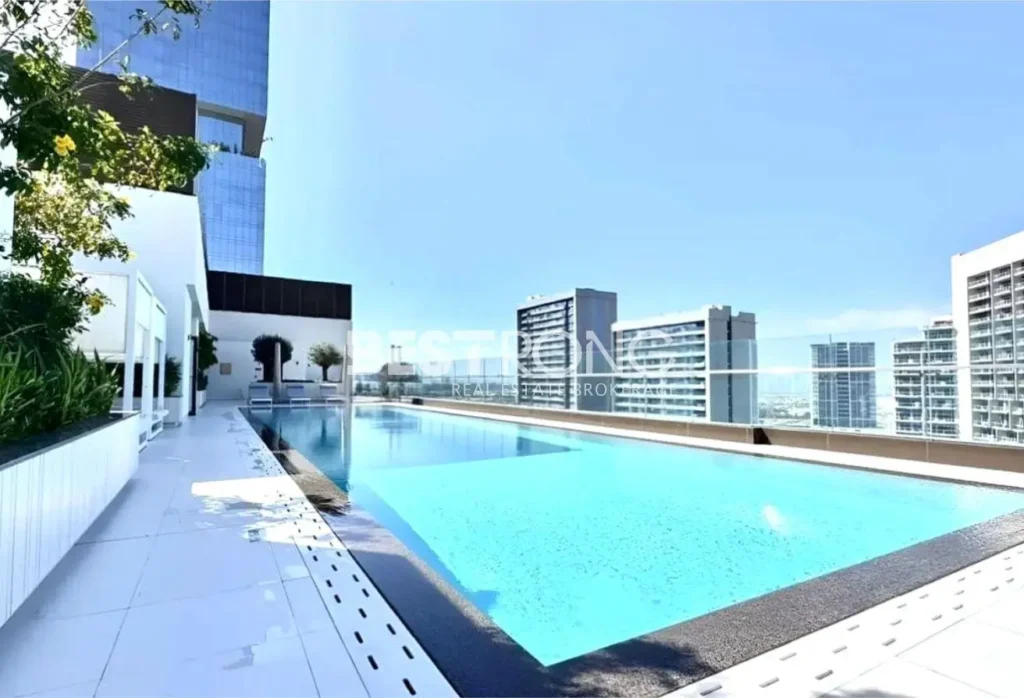


Your Guide to Properties for Rent in the UAE
Properties for rent in the UAE range widely depending on emirate and lifestyle choice. At the lower end, a studio in Ajman can start from around AED 15,000 per year, while premium locations like a 1-bedroom apartment in Palm Jumeirah can exceed AED 172,000 per year. This variation means your budget plays a major role in deciding which emirate is suitable for you.
In the UAE, registering a tenancy contract is a legal requirement everywhere. In Dubai this system is called Ejari, while in Abu Dhabi it is known as Tawtheeq. These registrations are essential for connecting utilities and ensuring legal protection for both tenants and landlords.
A security deposit is also standard practice. For unfurnished units, it is usually around 5% of the annual rent, while furnished properties typically require about 10%. This deposit is normally refundable within 30 days after vacating the property, provided there is no damage.
Expats are allowed to rent property anywhere in the UAE without restrictions. However, full ownership of property is only allowed in designated freehold areas across different emirates.
The UAE has become a highly popular residential destination, with around 70% of the population choosing to rent instead of buy. The rental market is very diverse, offering everything from luxury high-rise apartments in Dubai to peaceful waterfront communities in Abu Dhabi, as well as more affordable housing in the Northern Emirates. People usually choose their location based on work proximity and lifestyle preferences, although the country’s strong road network makes inter-emirate commuting quite practical.
Dubai is known for its fast-paced urban lifestyle and luxury living, while Abu Dhabi is preferred by families and long-term residents who value space and a calmer environment. Sharjah, Ajman, and Ras Al Khaimah are popular among those looking for larger homes at more affordable prices.
The UAE real estate market continues to evolve with demand. Average property size is around 1,200 sq ft, but luxury homes and penthouses can exceed 4,000 sq ft. National average rent is approximately AED 207,000 per year, although this varies significantly depending on location and property type.
In Dubai, rental prices are among the highest in the country, with an average of around AED 283,000 per year. Downtown Dubai studios can cost about AED 87,000, one-bedroom apartments around AED 132,000, and three-bedroom units up to AED 338,000. Dubai Marina offers waterfront living with one-bedroom units around AED 110,000 and two-bedroom units around AED 162,000. More affordable options exist in areas like Jumeirah Village Circle, where studios can start from AED 48,000. Villa communities like Arabian Ranches can range from AED 298,000 for a three-bedroom villa up to AED 480,000 for larger homes.
In Abu Dhabi, the average rent is around AED 205,000 per year. One-bedroom apartments typically range between 900 and 1,100 sq ft and cost around AED 85,000 annually. Three-bedroom units often exceed 2,000 sq ft and cost around AED 175,000. Villas in family-friendly areas generally range between AED 180,000 and AED 230,000 per year.
The Northern Emirates offer much more affordable options. Sharjah averages around AED 80,000 per year, with some flats starting as low as AED 10,500. Ras Al Khaimah averages around AED 101,000, while Ajman is one of the cheapest options, with five-bedroom villas averaging around AED 110,000.
Ajman is considered the most affordable emirate for renting, offering apartments at around AED 30 per sq ft and strong rental yields. Sharjah is a practical choice for Dubai commuters, while Ras Al Khaimah offers a mix of affordable housing and growing premium developments. Abu Dhabi is more mid-range with larger living spaces, and Dubai remains the premium market with higher costs but stronger job opportunities.
Popular residential communities in Dubai include Dubai Marina, which is popular with young professionals due to its waterfront lifestyle and cafes. Jumeirah Village Circle is a mid-market family-friendly area with parks and affordable housing. Al Barsha is well connected to malls and transport, while Arabian Ranches offers gated villa living with a peaceful environment.
In Abu Dhabi, Al Reem Island is a modern waterfront area popular among professionals. Khalifa City is preferred by families due to schools and space, while Saadiyat Island is a luxury cultural hub. Yas Island offers entertainment-driven living with theme parks and leisure facilities.
In Sharjah and Northern Emirates, Al Nahda is popular with Dubai commuters, Al Marjan Island in Ras Al Khaimah offers resort-style living, and Ajman Corniche provides affordable coastal housing.
The rental process in the UAE typically involves post-dated cheques, though monthly payment options are becoming more common. A shift towards monthly rent payments is expected to grow in the coming years, making it easier for tenants to manage finances. Tenancy contracts must always be registered through official systems like Ejari or Tawtheeq to activate utilities and ensure legal protection.
The UAE also offers strong lifestyle benefits, including world-class education systems, international schools, advanced healthcare facilities, modern shopping malls, and fitness infrastructure. Transport networks are highly developed, especially in Dubai, while other emirates rely more on road and bus systems. Commuting between emirates is common and generally manageable due to strong highway connectivity.
Living in the UAE comes with several advantages such as safety, modern infrastructure, and a multicultural environment. However, high rental costs in premium areas, traffic during peak hours, and limited metro access outside Dubai are some challenges.
